





GUEST COLUMN:
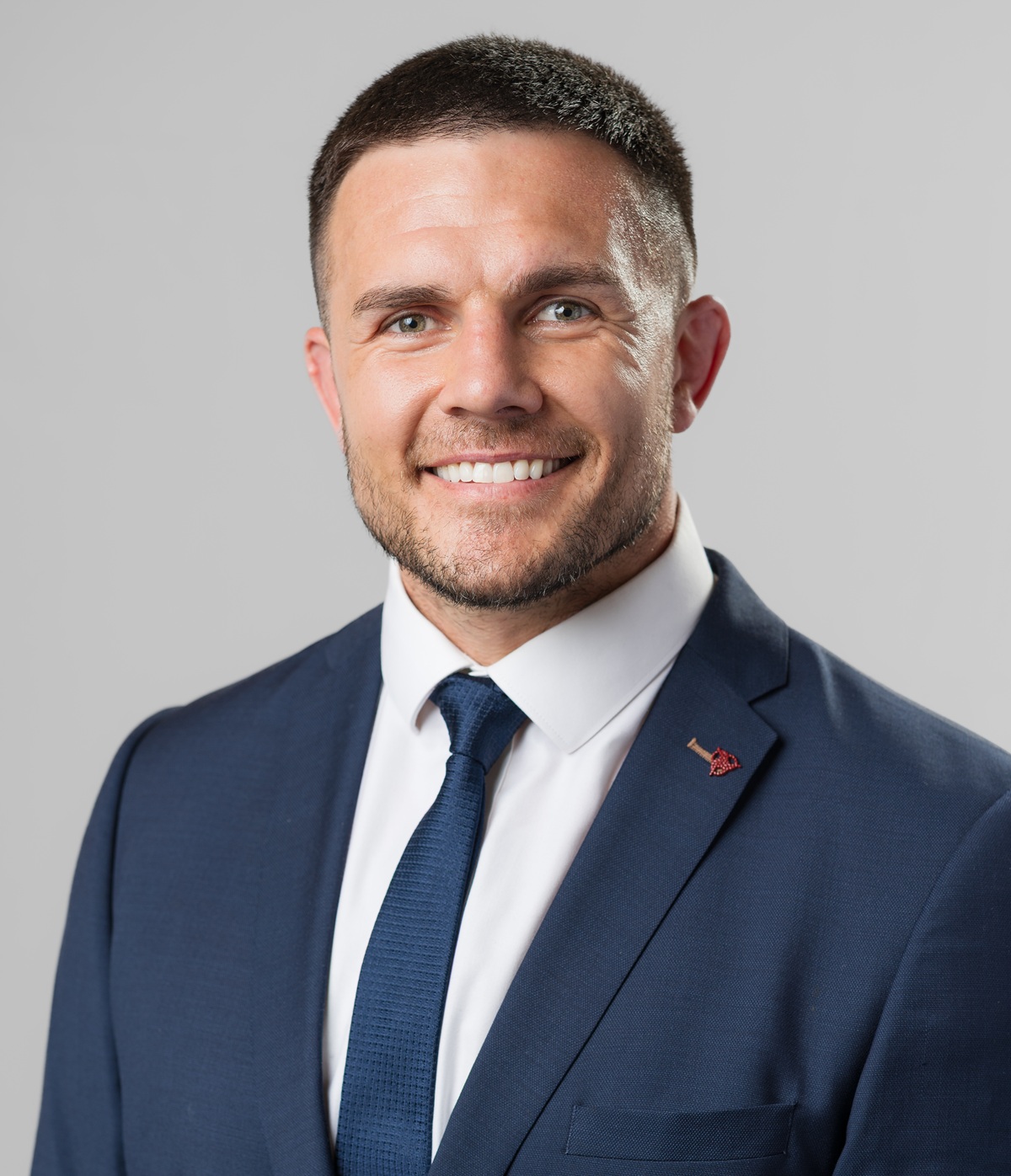
Ellis Jenkins
Corporate Relations Lead
DSW Cardiff Corporate Finance

A year ago, I joined DSW Corporate Finance Cardiff as Corporate Relations Lead after more than a decade in professional rugby. It was a significant change of environment, moving from a world shaped by training, recovery and match days. In reality, though, the foundations for that move had been laid several years before I retired from the game.
When I was 25, I suffered a serious injury that kept me out of the game for two and a half years. Having that much time away from rugby gave me the chance to think more seriously about the future. Rugby had been my life for so long, but I always knew there would eventually come a point when I would have to think about what came next.
For the first time, I seriously considered what life after rugby might look like. Like most professional athletes, I understood my playing career would eventually end. The injury simply forced me to confront that reality earlier than expected.
During that time, I enrolled on an Executive MBA at Cardiff University. Initially, it was a way of keeping myself mentally engaged while rehabbing, but it quickly introduced me to different ways of thinking, giving me a clearer sense of the opportunities that existed beyond sport.
I was fortunate enough to return to rugby and play for another three years, but the experience changed my perspective. While rugby remained my focus, I had started thinking about the future differently.
When I eventually retired, I deliberately didn’t rush into another role. Rugby decides so much of your schedule that there are parts of normal life you inevitably miss. Taking a year out allowed me to spend time with family, regain some control over my diary and properly consider what I wanted from the next stage of my career.
Through a mutual contact, I was introduced to Koo Aseeley at DSW. Rather than stepping straight into a permanent position, I spent four months getting to know the business from the inside.
That period was invaluable. I wanted to understand whether corporate finance genuinely interested me, but I was equally conscious that I had to demonstrate I could add something to the team. It wasn’t simply a case of deciding whether the role was right for me, it was about proving I could make the transition successfully.
When I officially joined DSW last August, there was a huge amount to learn. I sat in on meetings, listened to client discussions and spent time with the wider professional community of lawyers, accountants and advisers that plays such an important role in transactions. It gave me an insight into how relationships are built and maintained within the deal-making environment.
I also realised that many of the relationships I had built through rugby remained relevant. As captain, I had spent years meeting people from different industries, often through sponsorship
and hospitality events. Those connections, developed over many years, became a useful starting point as I established myself in a new profession.
Every industry has its own language, processes and unwritten rules, and corporate finance is no different. Understanding transaction structures, recognising the stages of a deal and learning how different stakeholders interact all takes time. The more exposure I gain, the more these pieces start to fit together.
What helped most was the trust the team placed in me from the outset. I wasn’t expected to sit back and observe indefinitely. I was encouraged to contribute, meet clients and get involved in discussions from an early stage. That level of responsibility accelerated my development far more than just watching from a distance ever could.
A year later, I feel much more comfortable operating in that environment. What has stood out throughout is the support around me. Nobody expects you to know everything, and being able to openly acknowledge gaps in your knowledge is one of the quickest ways to close them.
One aspect of the role that surprised me was the human side of transactions. From the outside, corporate finance can appear highly technical, focused on numbers, structures and negotiations. Those elements are obviously important, but behind every transaction is a person who has invested years, and often decades, into building something meaningful.
For many business owners, selling a company is one of the most significant decisions of their professional lives. Clients need confidence that you understand what is important to them and that you will guide them through a process that can be unfamiliar, demanding and highly emotional. In many respects, that is where the advisory role becomes most valuable.
There are also parallels with professional sport. Not because corporate finance is a competition, but because both involve dealing with uncertainty.
Transactions rarely progress in a straight line. Momentum can disappear overnight because of factors outside your control. Sport teaches you not to waste energy on things you cannot influence. Instead, you focus on the next decision, the next action and the best way forward from where you are. That mindset has been surprisingly transferable.
Ultimately, my decision to join DSW was driven by people. I wanted to work alongside individuals I respected, continue learning and be part of something that was building momentum. The opportunity to work with ambitious business owners and support them through important moments in their growth or exit plans made the role even more appealing.
Looking back on the last year, I’ve found exactly that.
There is still plenty I don’t know, and that’s part of what makes the role interesting. The challenge of starting again in a completely different profession has been rewarding, particularly when so many of the qualities developed through sport remain relevant.
Rugby taught me about teamwork, resilience and accountability and how to stay composed when things don’t go according to plan. The type of work I’m doing may have changed, but the lessons I’ve learnt are just as important in corporate finance as they were on the pitch