Cardiff has recorded a 34% rise in prime rents in the past two years, nearly double the average 18% rise across the UK’s 10 largest office markets outside of London, according to new analysis from Knight Frank.
The independent commercial property consultancy’s research found that, after sitting at £25 per sq. ft. for seven years, prime rents in the Welsh capital have risen substantially in the past 24 months to £33.50 per sq. ft., with only Leeds seeing a larger increase during that period.
While the overall vacancy rate for office accommodation in Cardiff stands at 12.1%, availability of Grade A space fell to just 1.5% in the last quarter. Knight Frank forecasts that trend will continue, with no new-build developments currently expected on site and demand for the best office space remaining resilient.
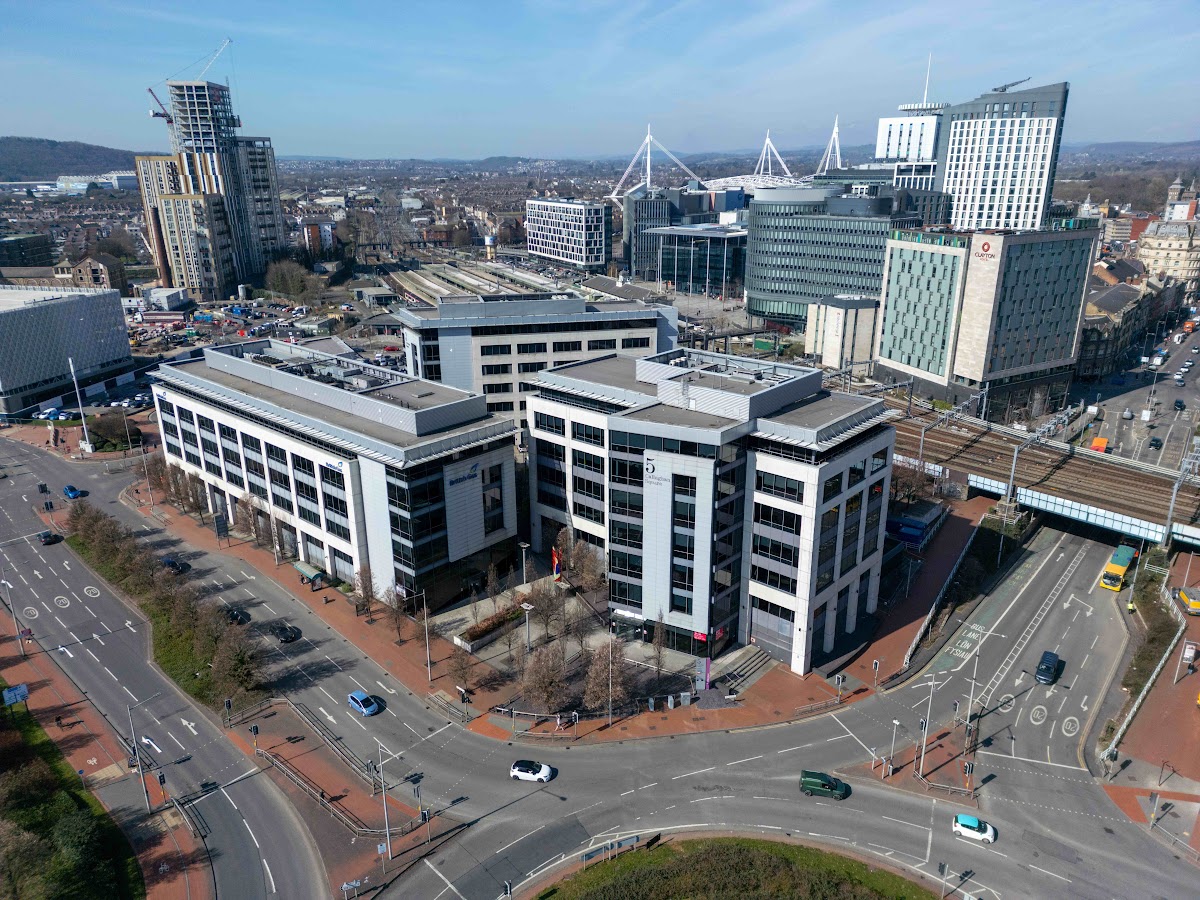
In the first three quarters of 2026, there was 376,388 sq. ft. of take-up across 76 deals, putting Cardiff on track to exceed the city’s long-term annual average of 460,000 sq. ft. Nearly three-quarters (72%) of the total was in the city centre, with professional services occupiers particularly active in pursuing prime offices close to Central Station, including Acuity Law, Knights, and Ridge.
Three major refurbishment schemes are on the horizon in Cardiff: the restoration of the Brains Brewery Building at Central Quay, full refurbishment of No. 4 Callaghan Square, and the repurposing of the former Howells department store. Combined, these projects could add close to 300,000 sq. ft. to the city’s office stock.
Knight Frank said that, with these schemes coming to market, the combination of live requirements and diminishing supply mean that prime rents could reach £35 per sq. ft. by the end of the year, and push closer to £40 per sq. ft. through Q1 2027. The next new building at 1 Central Quay has planning for 160,000 sq. ft. south of Central Station, but will require a significantly higher rent and substantial pre-letting to become viable.
Mark Sutton, office agency partner at Knight Frank Cardiff, said:
“Prime office rents in Cardiff have held firm at £33.50 per sq. ft. in Q3, with quoting levels for the best space now reaching £37.50 per sq. ft. The city’s lack of stock means we expect prime rents to rise further through Q4 and into 2027. Incentives have remained stable but are tightening where availability is limited, particularly for prime space and larger or bespoke requirements.
“Across the UK’s regional cities, a similar pattern has been emerging in recent years. Prime space in the likes of Bristol broke through £50 per sq. ft. in 2025, now reaches £55 per sq. ft., and is still rising, after periods where new developments have been snapped up by active demand. Cardiff still trails these markets at a headline level, but it has momentum and, as rents rise, there is sustained demand and very limited availability of the best-quality office space.
“Landlord-delivered, fully fitted space is a growing trend in the Cardiff market – in recent years, there have been far fewer deals involving fitted accommodation than in other UK cities. But as capital costs continue to rise, and tenants are generally less willing to commit to long-term leases, these fitted solutions become more attractive to occupiers. As a result, we are seeing more landlords opt to invest in delivering ‘plug and play’ space in return for higher rents and offsetting rent-free incentives.”
Tom Griffiths, capital markets associate at Knight Frank Cardiff, added:
“The movement in prime rents has been significant from a capital markets perspective. For the first time in years, viable rental growth is coming through on first‑generation, Grade A offices, driven by the lack of supply and a clearer path to higher headline rents. That’s creating conditions where pre‑lets on refurbishments are now realistic.
“The market is pointing in the right direction. Investors who previously struggled to make the numbers stack up are finding that rising rents, tightening incentives, and solid fundamentals in the city centre are making well-located assets in Cardiff an attractive proposition – and that can only be positive for investment in the city.”